Beeswax
hat Is Beeswax and How Is It Made?
Discover how honeybees create natural beeswax, how it becomes honeycomb, and how this remarkable material is transformed from the hive into candlelight.
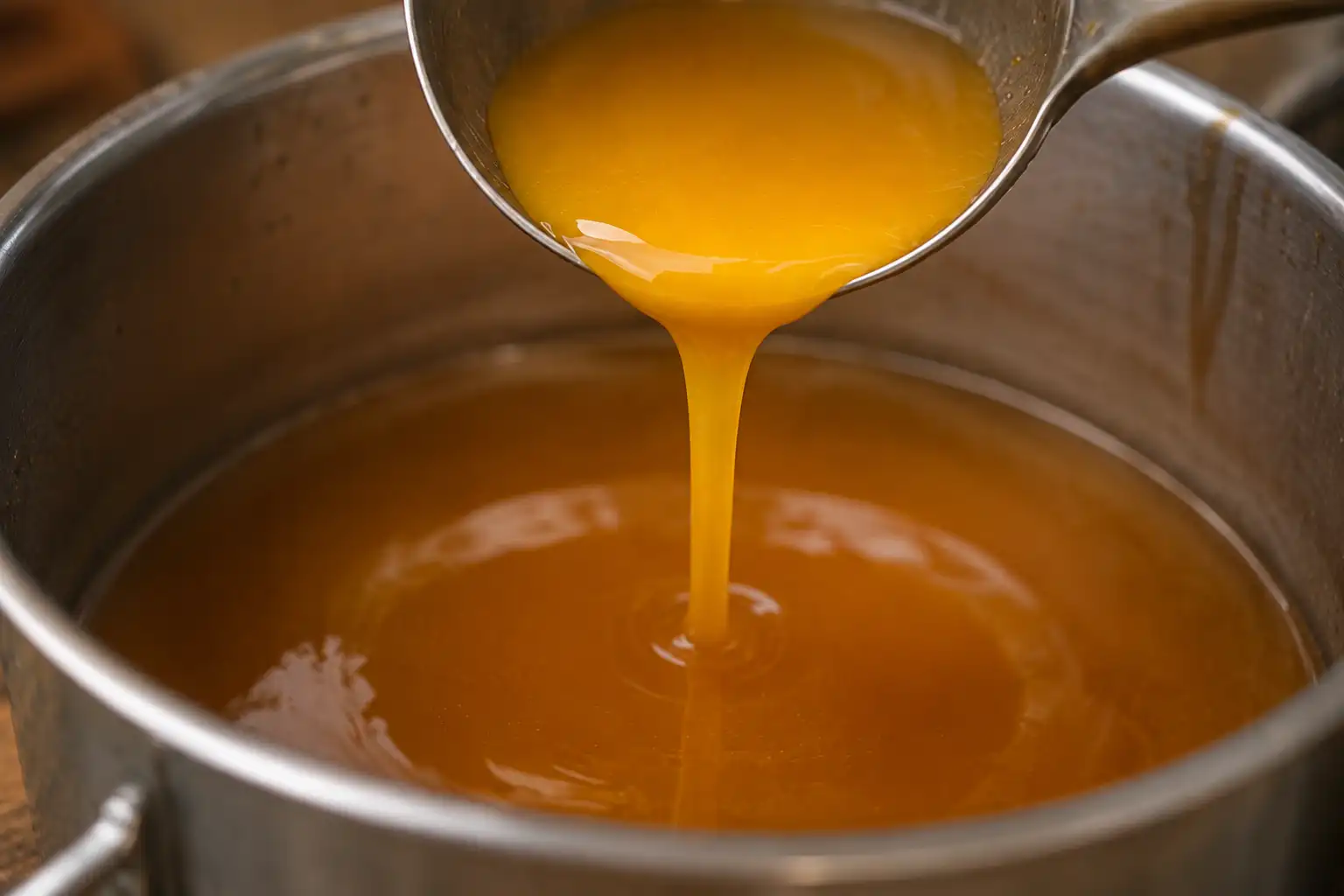
Beeswax is one of nature’s most remarkable materials. Created entirely by honeybees, it begins inside the hive and eventually becomes the structure that holds honey, supports developing bees, and helps the colony organize its home.
For centuries, people have valued beeswax for its warm color, subtle natural aroma, and ability to burn beautifully as a candle. But before it reaches our homes, every piece of beeswax has already been part of a much larger story.
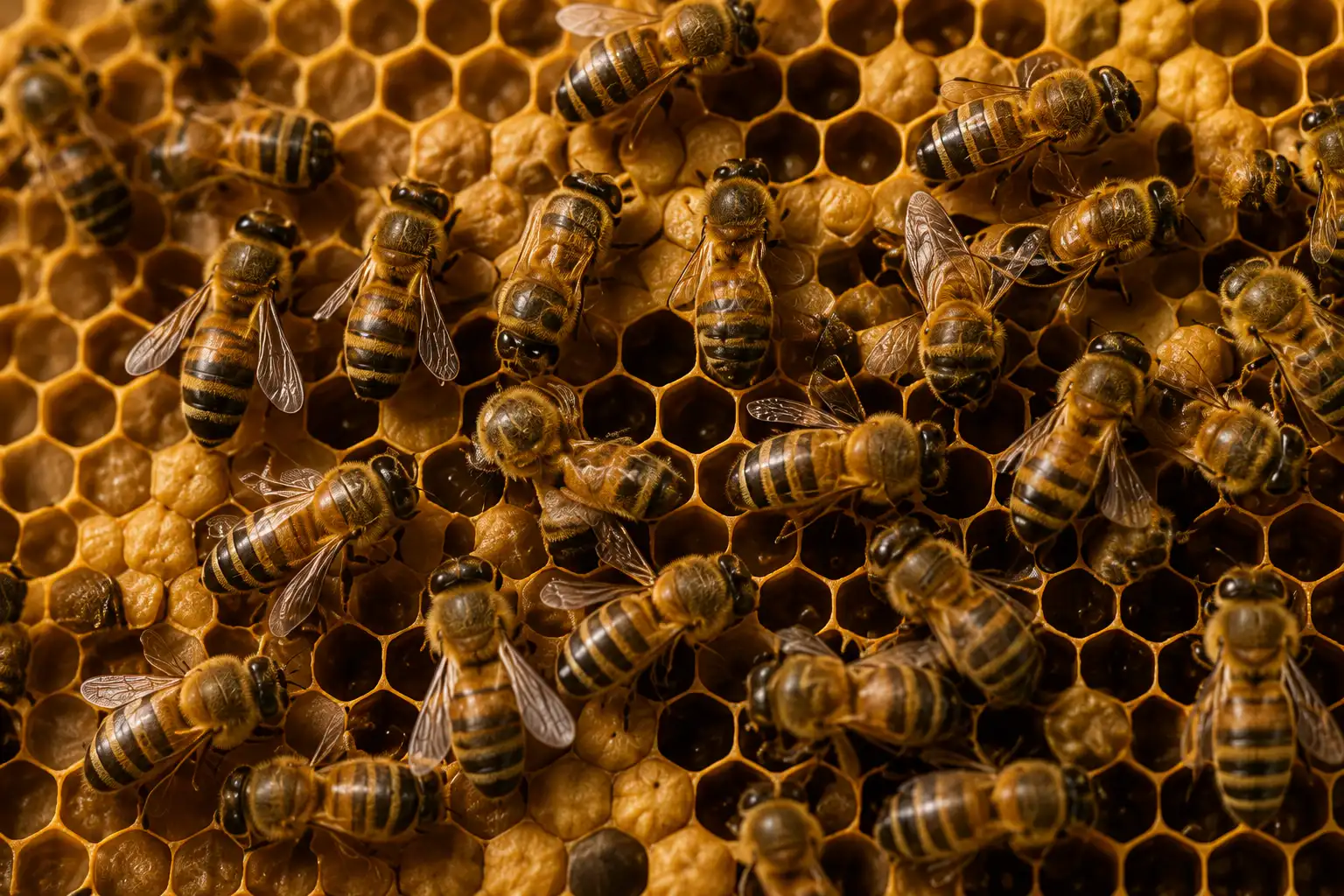
Beeswax Begins with the Bees
Worker honeybees produce wax from specialized glands on the underside of their bodies. The wax first appears as tiny, nearly transparent scales.
The bees collect and soften these scales, working the wax with their bodies until it becomes pliable enough to shape.
Piece by piece, they build the familiar hexagonal structure we know as honeycomb.
Inside the hive, this wax architecture serves many purposes. It provides space for storing honey and pollen, while also creating the cells used to raise young bees.
What looks simple from the outside is actually an extraordinarily efficient natural structure.
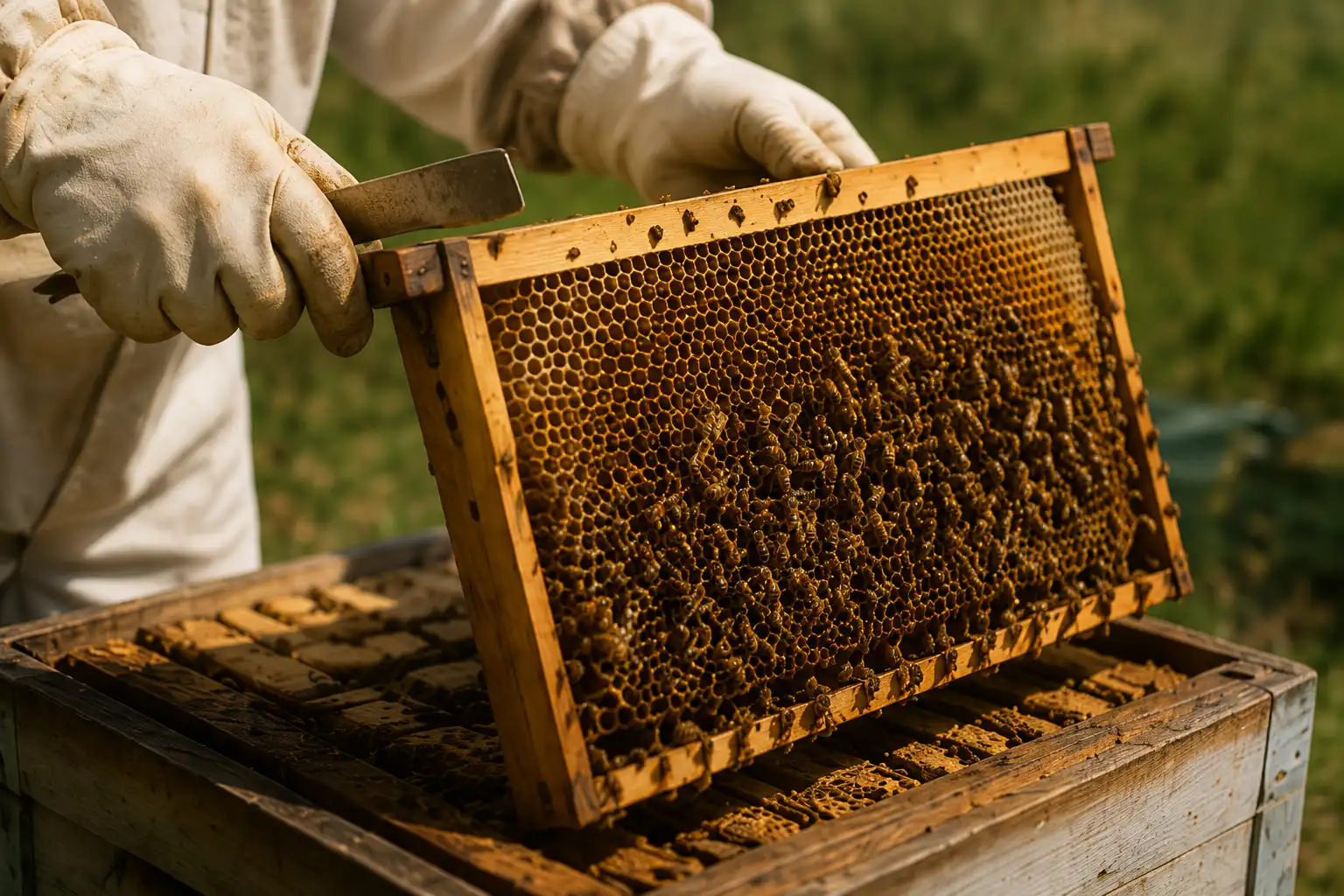
From Honeycomb to Natural Beeswax
Once beeswax is collected from appropriate parts of the beekeeping process, it can be gently melted and filtered to remove pieces of honeycomb, pollen, propolis, and other natural particles.
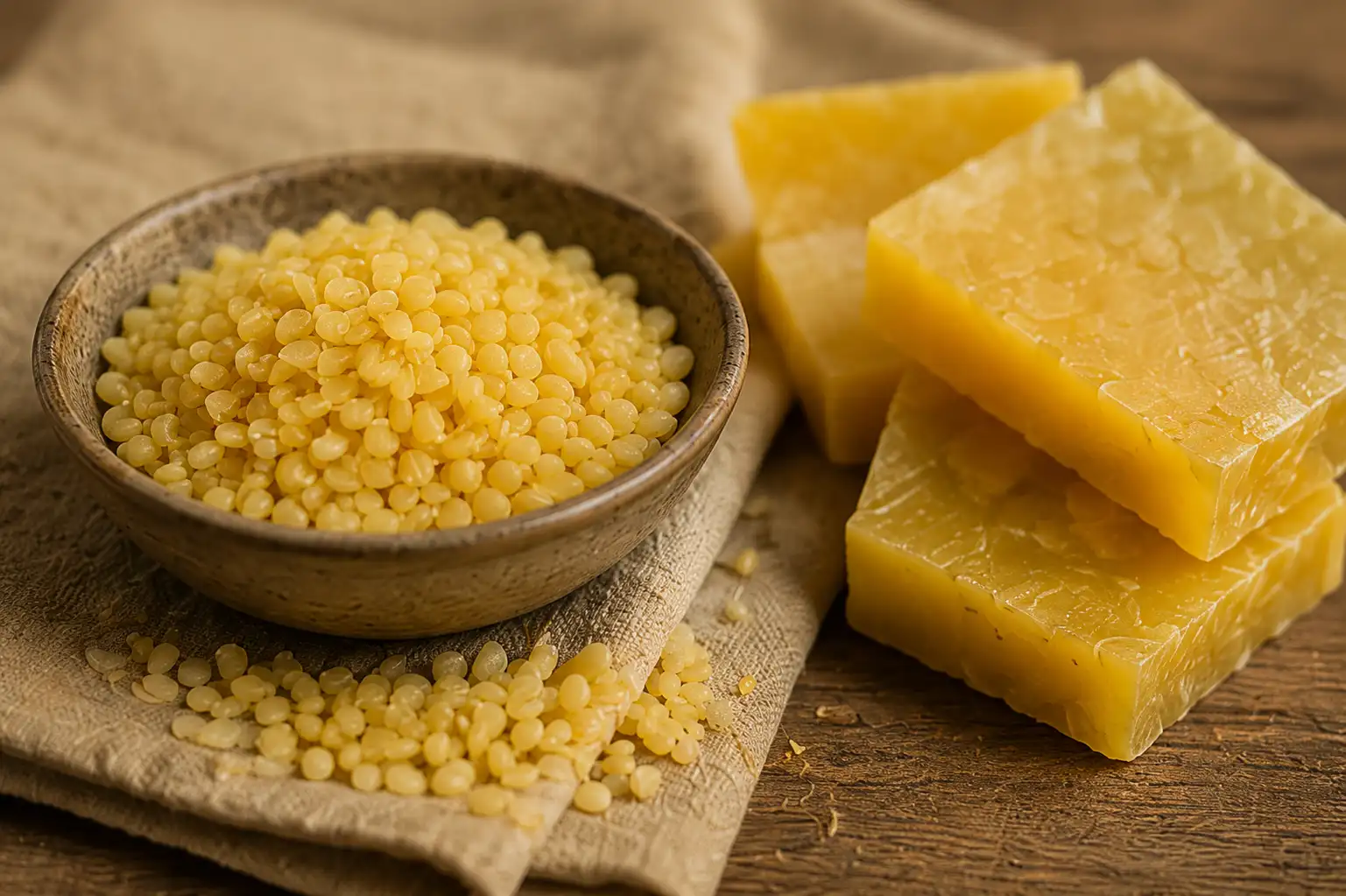
After filtering, the wax cools and becomes the solid golden material most people recognize as beeswax.
Because beeswax is a natural material, its appearance is not perfectly uniform.
Its color can range from pale yellow to deep golden amber depending on factors such as the flowers available to the bees, the age of the comb, and the way the wax has been handled.
Even its aroma can vary slightly from batch to batch.
These variations are part of the character of real beeswax rather than imperfections.
Why Beeswax Works So Beautifully as a Candle
Beeswax has been used for candle making for centuries.
Its naturally firm structure makes it particularly well suited to freestanding candles, including pillars, tapers, sculptural candles, and detailed molded designs.
When paired with the right wick and burned correctly, beeswax produces a warm, steady flame that creates an atmosphere quite different from artificial lighting.
There is also something meaningful about the material itself.
Before becoming a candle, the wax was once part of a living hive.
That connection between bees, flowers, craftsmanship, and candlelight is one of the reasons we find beeswax so special.
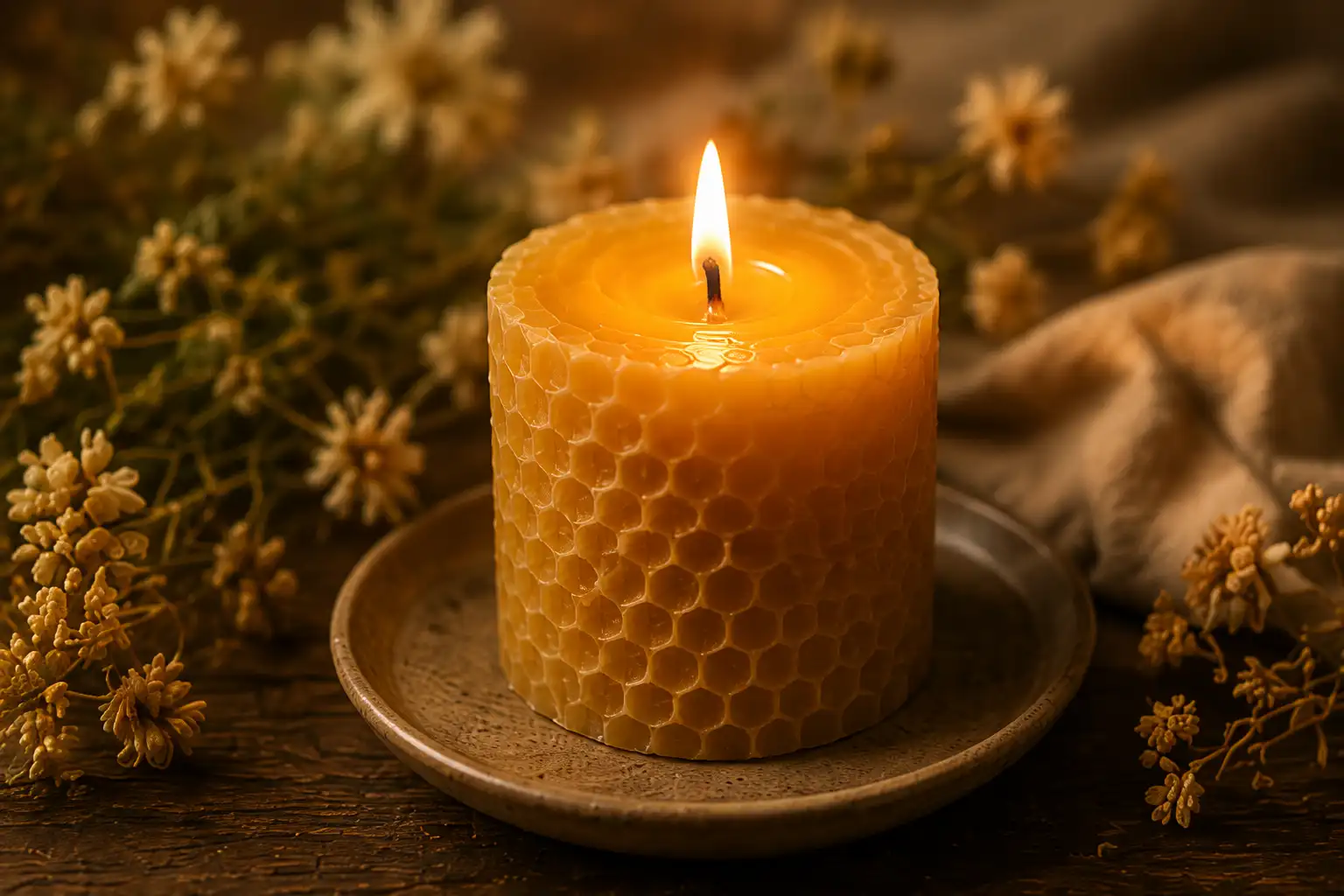
A Material Shaped by Nature
At HiveGlow, we believe natural materials do not need to be perfectly identical to be beautiful.
Small differences in color, texture, aroma, and surface appearance remind us where beeswax comes from.
From the hive to the candle, beeswax carries with it a story of patience, nature, and remarkable craftsmanship—first by the bees, and then by human hands.
And when the wick is finally lit, that story becomes light.
Keep reading
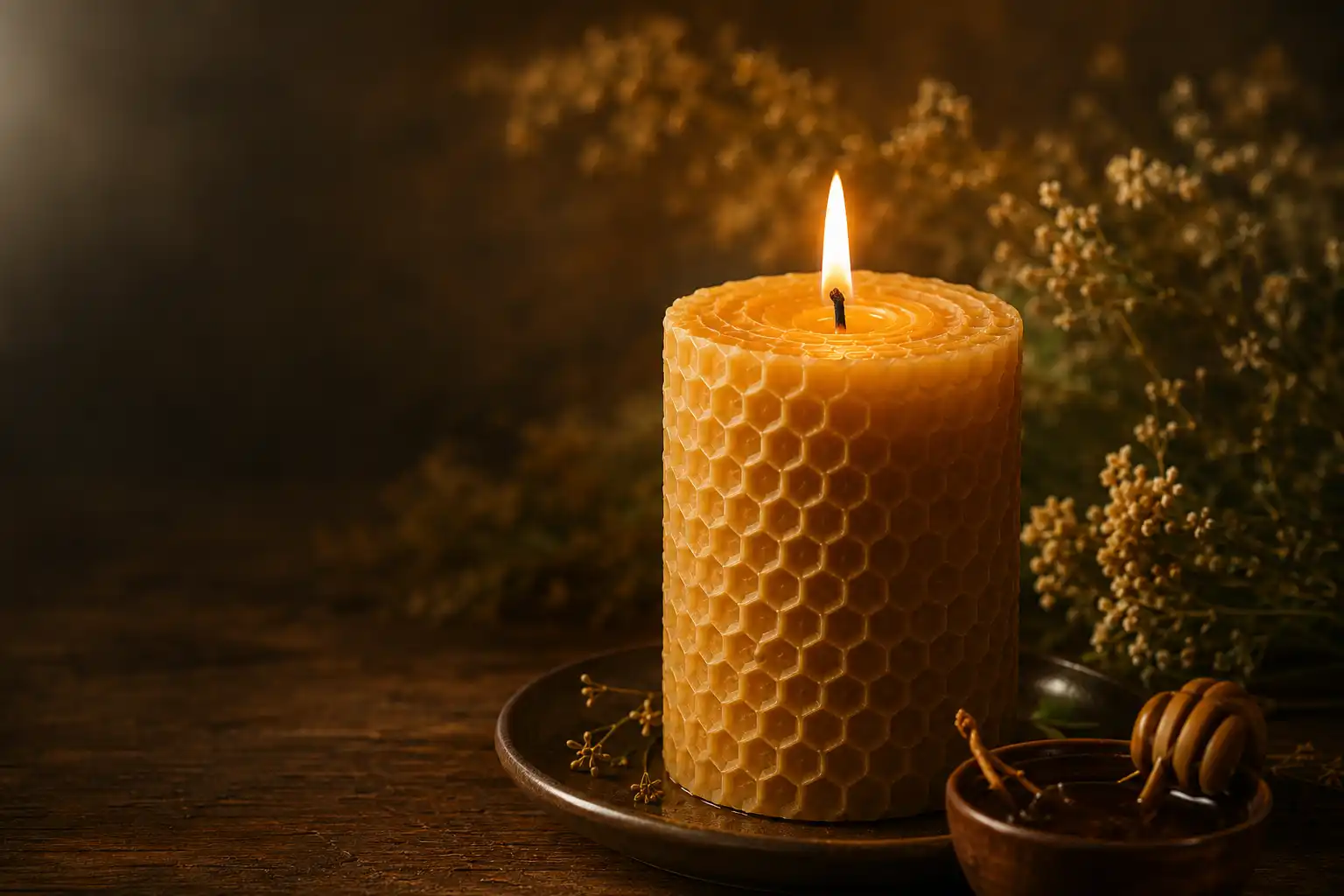
A Beginner's Guide to Beeswax Candles
New to beeswax candles? Learn about their natural color, aroma, bloom, burning behavior, storage, and the qualities that make pure beeswax unique.
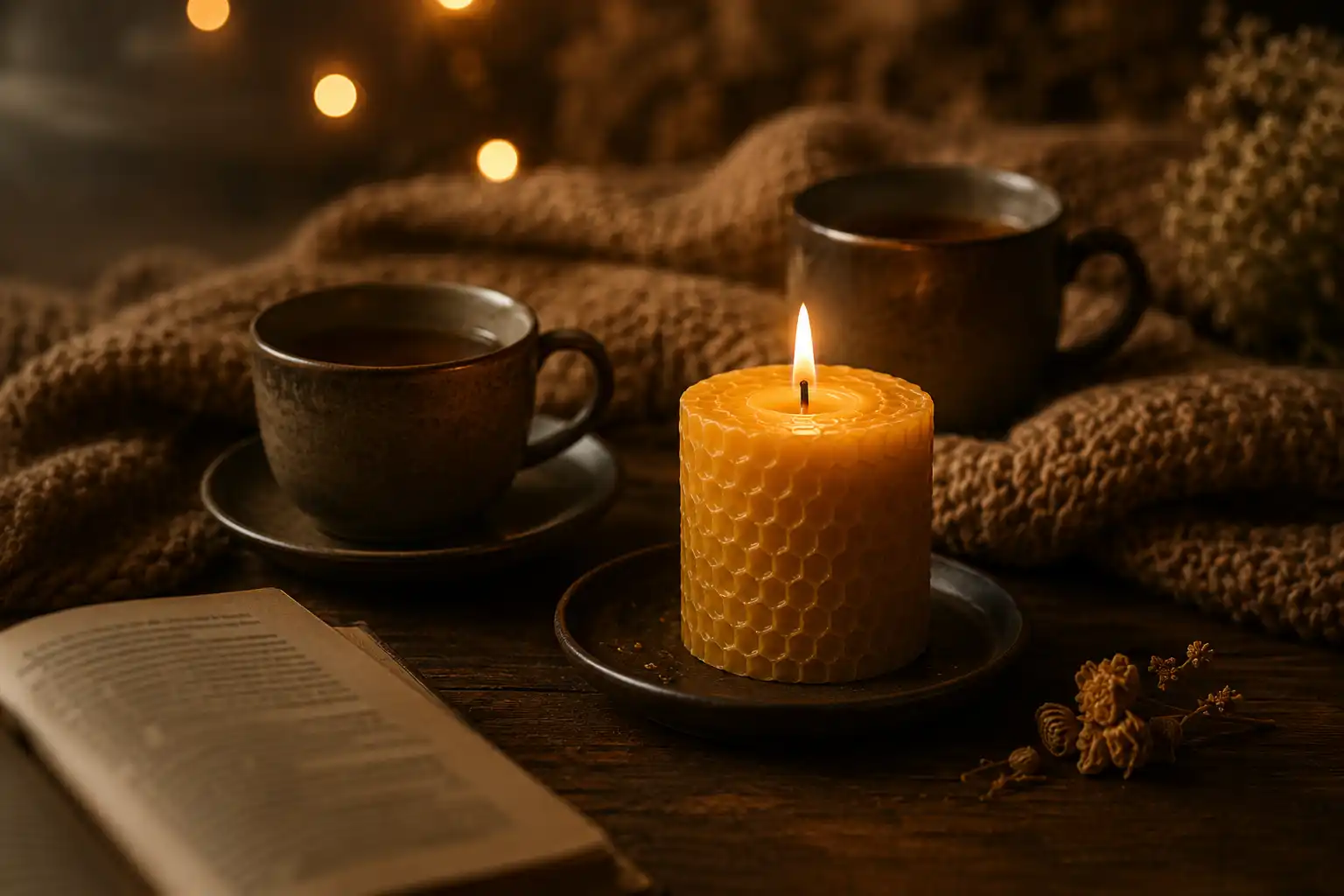
Creating a Cozy Evening Ritual with Candlelight
Slow down the evening with warm candlelight, a quiet corner, and a few simple rituals designed to make home feel softer, calmer, and more intentional.
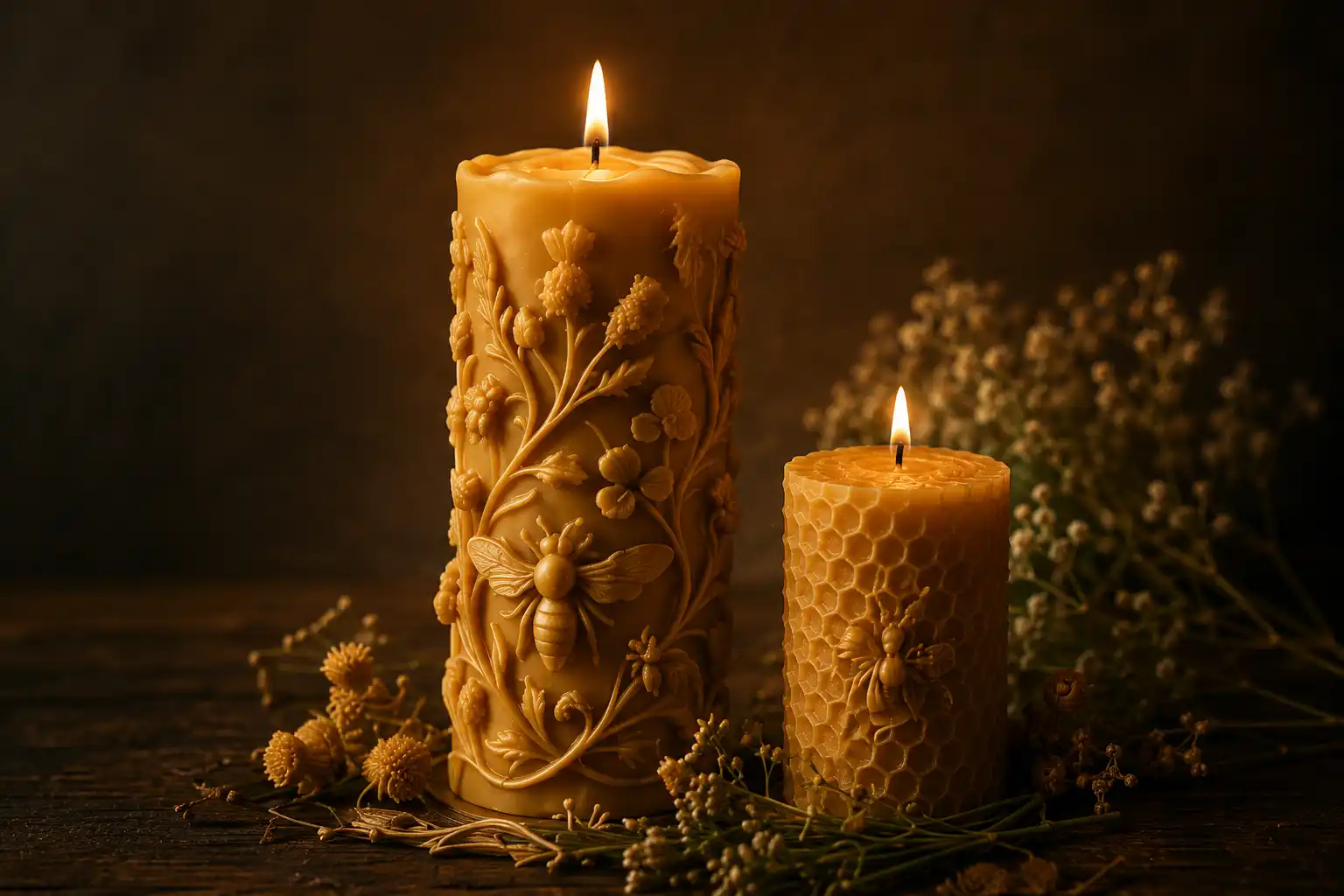
Why Handmade Candles Are Never Exactly the Same
Small differences in color, texture, and finish are part of the beauty of handmade beeswax candles—each piece carries its own natural character.